Menu
Same-Day Service Available!
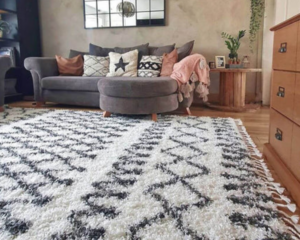
Area Rug Cleaning can make a room feel fresh again almost immediately. The colors look brighter, the fibers feel cleaner, and the whole space seems more comfortable. Still, one part of the process can frustrate homeowners if it is handled the wrong way: drying. A rug that stays damp too long can feel heavy, smell off, and turn a good cleaning day into a long waiting game. That is why knowing how to dry an area rug fast after cleaning matters just as much as knowing how to wash it.
For homeowners in Springfield, Tennessee, Area Rug Cleaning is not only about appearance. It is also about comfort, convenience, and keeping the home feeling healthy. A properly dried rug helps prevent musty odor, reduces the chance of mildew, and gets the room back to normal faster. In addition, fast drying can help protect the rug itself. Too much lingering moisture can stress fibers, affect backing, and make the rug feel less fresh than it should. Because of that, drying the right way is one of the smartest parts of rug care.
This guide walks through the best ways to dry an area rug fast after cleaning, what mistakes to avoid, and when it makes sense to stop trying to speed things up on your own and call for professional Area Rug Cleaning instead. If your rug is still damp, you are washing one today, or you simply want a better plan for next time, this step-by-step guide will help.
A freshly cleaned rug should feel like a win, not like a problem sitting in the middle of the room. Fast drying matters because moisture that stays trapped too long can create a completely different issue than the dirt you just removed. A damp rug can start smelling stale, especially if airflow is poor. It can also attract more dirt if people start walking on it before it is fully dry. Therefore, drying is not just the last step. It is part of the cleaning result.
Another reason drying matters is fiber protection. Different rugs react differently to moisture. Some area rug cleaning jobs involve thicker fibers, denser piles, or more absorbent materials that hold water longer. An oriental rug cleaning project may need extra patience and a more careful drying setup than a low-pile synthetic rug. Likewise, a rug in a humid room may stay wet much longer than the same rug in a bright, well-ventilated space. Because of that, you need a drying plan that fits the rug and the room.
Fast drying also helps the home feel normal again. One reason homeowners search for Area Rug Cleaning near you or rug cleaning in Springfield, Tennessee is convenience. They want a cleaner home without a long disruption. Getting the rug dry faster means the room can get back to everyday use sooner, which is especially helpful in active homes with kids, pets, or constant foot traffic.
The most common mistake is assuming the rug will “just dry on its own” if it is left alone long enough. Technically, it will dry eventually, but that does not mean it is drying in the best way. A rug left flat on a floor with limited airflow can hold moisture underneath for far too long. Even if the top feels dry to the touch, the backing or inner fibers may still be damp.
Another common mistake is putting the rug back in place too soon. Homeowners often want the room to look finished again, so they put the furniture back, close the windows, and assume the job is done. However, trapped moisture under furniture or under the rug can lead to odor, uneven drying, and a general “not quite fresh” feeling that ruins the result of the Area Rug Cleaning.
Finally, some people overdo heat. Direct, intense heat can seem like the fastest answer, but in some cases it can stress the rug fibers or backing. Fast drying is good. Aggressive drying is not always better. The goal is steady airflow, smart moisture removal, and careful positioning.
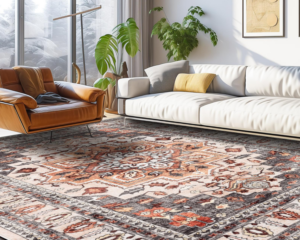
The fastest way to dry a rug is to start by removing as much moisture as you can before you even think about airflow. If the rug is heavily wet after washing, drying will take much longer no matter how many fans you use. Start by pressing out excess water gently.
For smaller rugs, you can blot with clean, dry towels. Press firmly instead of rubbing. Rubbing can push moisture around instead of pulling it up. If the rug is large, walk on the towels with clean socks or shoes reserved for indoor use. This helps press moisture from the fibers into the towel. Replace wet towels with dry ones and repeat until the towels stop picking up so much water.
If the rug can be safely lifted, move it to a place where water can drain more easily. Some homeowners also use a wet/dry vacuum if they have one available. This can be especially useful after DIY rug cleaning, pet stain and odor removal, or spot-heavy washing where a lot of moisture stays deep in the pile.
A rug dries much faster when air can move around both sides. If the rug stays flat on the floor, especially on hardwood, tile, or another low-airflow surface, the bottom can stay damp far longer than expected. That is why lifting the rug matters so much after Area Rug Cleaning.
You do not need anything fancy. A drying rack, sturdy chairs, a patio rail, or any clean elevated support can help. The goal is simple: let air reach the top and the bottom. If the rug is too large to fully hang, even partially lifting sections of it can help improve airflow and reduce drying time.
This step is especially important for thicker rugs, area rug cleaning jobs involving pet accident cleaning, or rugs that went through deep cleaning services and absorbed more water than expected. Elevation speeds up drying and helps prevent that hidden dampness underneath that often causes musty smells later.
Air movement is one of the most important parts of fast rug drying. Open windows if weather allows. Turn on ceiling fans. Set up floor fans pointing across the surface of the rug rather than directly down into one spot. Multiple fans working together are even better.
If you are drying the rug indoors, airflow matters more than almost anything else. Even a slightly damp rug can dry far faster in a room with strong moving air than in a closed room with no circulation. If you can place one fan on each side, that works even better.
For homeowners in Springfield, Tennessee, humidity can sometimes slow drying more than expected. In that case, airflow alone may not be enough. You may also need a dehumidifier, which leads to the next step.
A dehumidifier can make a huge difference after Area Rug Cleaning, especially when the weather is humid or the rug is drying in a bathroom, laundry space, basement, or other room that already holds moisture. While fans move air, a dehumidifier helps remove moisture from that air so drying can continue more effectively.
This step is useful for more than just convenience. When the air is already full of moisture, the rug has a harder time releasing water into it. A dehumidifier creates a better environment for drying. Therefore, if the room feels muggy or the rug still feels damp after a few hours of airflow, adding a dehumidifier is a smart move.
This is also a good tool to remember after pet urine carpet cleaning, urine odor removal, or carpet deodorizing efforts involving rugs, because moisture left too long can make odor problems return.
A rug will not always dry evenly unless you help it. One side may dry faster because it gets more airflow or sun. One section may hold more water because of the way it was cleaned. That is why rotating the rug helps.
Turn it around every few hours if possible. If one side has been facing the fan, switch it. If one section has been elevated more than another, adjust it. If the backing is drying slower than the top, flip the rug carefully and let the reverse side breathe too.
This step may seem minor, but it helps prevent uneven drying and reduces the chance that one hidden area stays damp longer than everything else. Uneven drying is one reason homeowners think a rug is done when it is not.
Sunlight can help, but it needs to be used with some common sense. A little outdoor drying in bright, indirect light can speed things up. Strong, direct sun for too long can be harsh on certain rugs, especially delicate materials or richly colored designs. Therefore, sunlight is best treated like a support tool, not the whole solution.
If you dry the rug outside, choose a clean area with good airflow. Hang it or elevate it if possible. Avoid leaving it flat on grass or concrete if that surface is damp or dirty. Also, check the rug frequently. You do not want one side getting overly hot while the other side stays wet.
For an oriental rug cleaning result, extra caution makes sense. Delicate rugs usually benefit more from airflow and shade than from intense direct exposure. When in doubt, prioritize circulation over heat.
It is tempting to start using the room again once the rug seems mostly dry. However, walking on a damp rug slows drying, presses moisture deeper, and can leave marks in the pile. It can also transfer dirt right back into the fibers after all the work you just did.
If pets lie on the rug while it is still drying, that can create odor issues or leave fresh debris behind. If furniture goes back too early, the pressure can trap moisture underneath. So while it is inconvenient, protecting the rug during the final drying stage is worth it.
This is especially important if you already dealt with pet odor removal, carpet stain removal, or remove pet smell from carpet issues before cleaning. The last thing you want is to create a new moisture problem before the rug has fully finished drying.
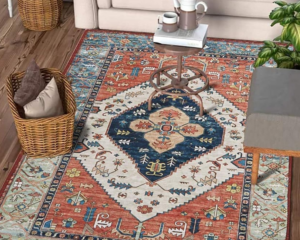
For many homeowners, indoors is the most practical option. A room with open windows, fans, and a dehumidifier is often one of the safest and most reliable ways to dry a rug. This works especially well when weather is unpredictable or when the rug is delicate.
A covered patio, porch, or breezy shaded area can work well if the weather is dry. This gives you outdoor airflow without as much direct exposure to strong sun. It is often a good middle ground for faster drying.
A clean garage can work if you set up enough airflow. This can be helpful for larger rugs that are hard to manage inside the house. Just make sure the space is not dusty or humid.
Avoid leaving a wet rug:
Drying time depends on several factors:
A lightly cleaned rug may dry within several hours. A thicker area rug cleaning job may take 12 to 24 hours. A very wet rug, especially after heavy DIY washing or deep stain removal service, may take even longer without the right drying setup.
The key is not to judge only by the surface. Press your hand into the pile. Check the backing. Feel along the edges. If any part still feels cool or damp, it probably needs more time.
One of the easiest ways to dry faster is to clean in a way that does not oversaturate the rug. Too much water creates more drying work later.
Morning cleaning gives you the whole day to use airflow, light, and room temperature to your advantage.
Set up your drying tools before the rug is wet. This saves time and helps you move faster once the cleaning is done.
Trying to wash multiple rugs at once can create a bottleneck, especially if you have limited space for airflow.
Some rugs are simply better handled with professional Area Rug Cleaning. A service with quick-drying methods often saves time, effort, and frustration.
Sometimes drying a rug fast is difficult because the rug was cleaned in a way that used too much water. In other cases, the rug itself is delicate, heavily soiled, or affected by odor issues that make home drying more complicated.
Professional Area Rug Cleaning can be the better move when:
Many homeowners looking for rug cleaning, oriental rug cleaning, or area rug cleaning in Springfield, Tennessee are really looking for this exact convenience. They want the rug cleaned well, dried faster, and returned to normal use without turning the process into a full-day project.
Professional carpet cleaning services can also help when rug issues connect to the rest of the room. For example, if your rug, upholstery, and surrounding carpet all need attention, it may make sense to address everything at once rather than piecing the problem together on your own.
Fast drying is not only about convenience. It helps preserve the clean result you wanted in the first place. A rug that dries quickly is less likely to develop stale odor, less likely to hold onto trapped moisture, and easier to return to normal use. It also makes the room feel finished sooner, which matters in active households.
This is one reason homeowners who search for best carpet cleaning, top rated carpet cleaning, or eco friendly carpet cleaning often care so much about drying time too. They are not just paying for cleaner fibers. They are paying for a more practical experience.
At Safe-Dry of Springfield, Tennessee, that same idea matters with Area Rug Cleaning. Clean should also feel easy to live with.
The fastest way to dry a rug is to remove as much moisture as possible first, then improve airflow right away. Use dry towels, elevate the rug, set up fans, and add a dehumidifier if the room feels humid. Area Rug Cleaning dries much faster when air can move around both sides of the rug.
You can, but it is usually not the best idea. A rug left flat on the floor often dries much slower, especially underneath. Even if the top feels dry, the backing may still be damp. Area Rug Cleaning results hold up better when the rug is lifted or elevated for better airflow.
A little sunlight can help, but strong direct sun for too long can be too harsh for some rugs. It is usually better to use airflow first and then use light carefully. For delicate rugs or oriental rug cleaning results, indirect light is often safer than intense direct exposure.
Drying time depends on the rug type, thickness, airflow, humidity, and how much water was used during cleaning. Some rugs dry within a few hours. Others may need 12 to 24 hours or longer. The best way to tell is to check both the fibers and the backing, not only the surface.
A damp rug often smells stale if it dries too slowly. Moisture trapped in the backing or dense fibers can cause that problem. Faster drying, better airflow, and making sure excess water was removed at the start usually help a lot. If odor remains, professional Area Rug Cleaning may be the better next step.
Yes, definitely. Moving air is one of the most important parts of fast rug drying. Fans help moisture leave the rug more quickly and evenly. Area Rug Cleaning dries much better with active airflow than in a still room.
It makes sense to call a professional when the rug is large, delicate, heavily soiled, or affected by odor issues like pet stain and odor removal, pet urine carpet cleaning, or remove pet smell from carpet concerns. Professional Area Rug Cleaning is also helpful when you want a faster dry time and less hassle overall.
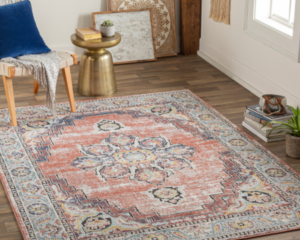
A rug is not really finished until it is fully dry. You can do all the right cleaning steps, but if the drying part goes wrong, the result still feels incomplete. That is why fast, careful drying matters so much. It helps protect the rug, keeps the room feeling fresh, and gets your home back to normal faster.
If your rug still feels damp, smells musty, or just seems like more work than it should be, it may be time to stop guessing and let professionals handle it. Safe-Dry of Springfield, Tennessee helps make Area Rug Cleaning easier with practical service, a family-friendly process, and results designed to fit real life.
If your rug is taking too long to dry or you are tired of guessing your way through DIY cleanup, now is a great time to schedule professional Area Rug Cleaning. Safe-Dry of Springfield, Tennessee can help you skip the drawn-out drying process and get back to a cleaner, healthier home faster. Book your Area Rug Cleaning today and let our team help you refresh the rooms you use most.